SEO·Geneviea Slinger·
Local SEO Checklist 2026: How to Win the Map Pack Today
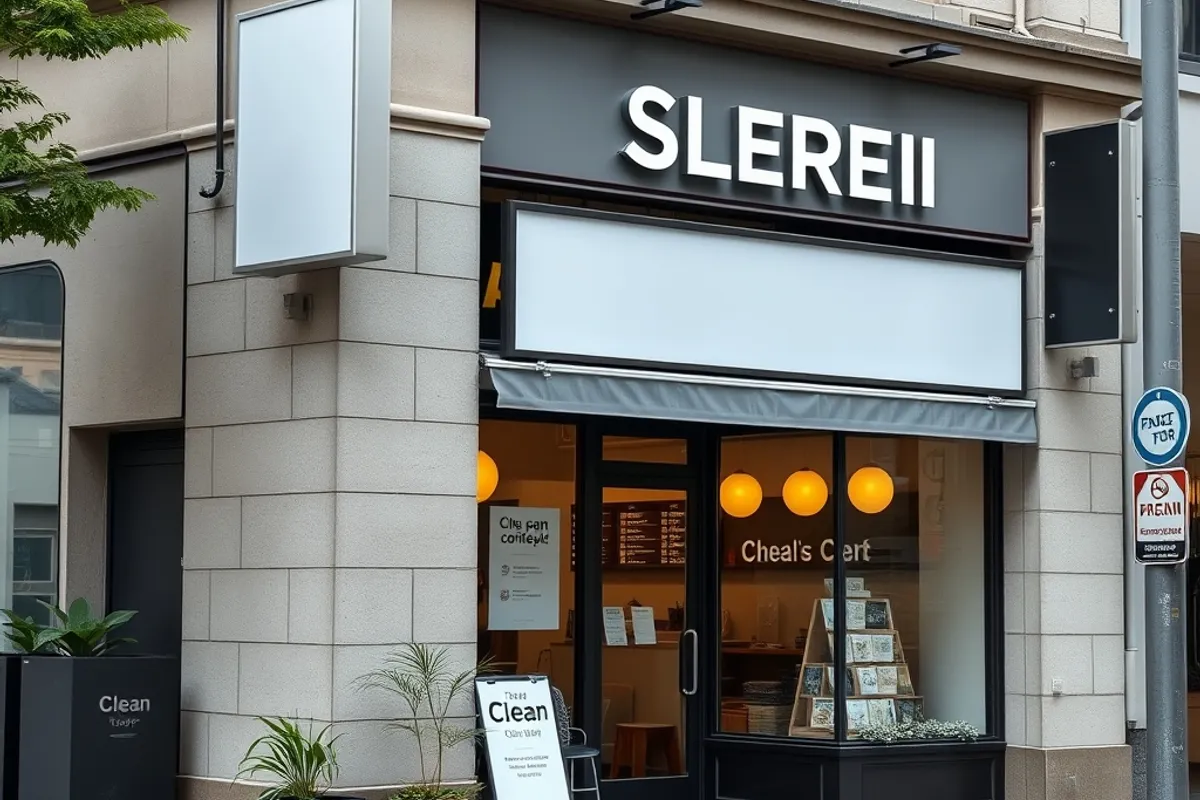
The map pack is decided by proximity, relevance and reputation. You cannot move the shop, but you can fix the other two.
Key facts
- A complete business profile with hours, categories and photos is the baseline, not the advantage.
- Review volume and recency influence the map pack; replies matter for trust.
- Service and area pages help relevance when they are genuinely distinct, not duplicated.
- Consistent name, address and phone details across the web still prevent confusion.
The map pack is a different game
Local search is not a smaller version of national SEO. The results are chosen from a limited set of nearby businesses, and the signals are different: proximity, category relevance, reviews, photos and the consistency of your business details. A national page with perfect content will not outrank a nearby competitor with a complete profile and fifty recent reviews.
The good news is that most local businesses leave obvious points on the table. Hours that are wrong, categories that are vague, no photos from this year, and a review request that nobody owns. Fixing the basics can move a business from invisible to competitive in a few weeks.
Start with the profile
Claim and verify the business profile, then fill every field that matters. The primary category should be the one customers actually search for, not the one the owner finds most impressive. Add secondary categories only when they are true. Wrong categories send the wrong queries and attract the wrong calls.
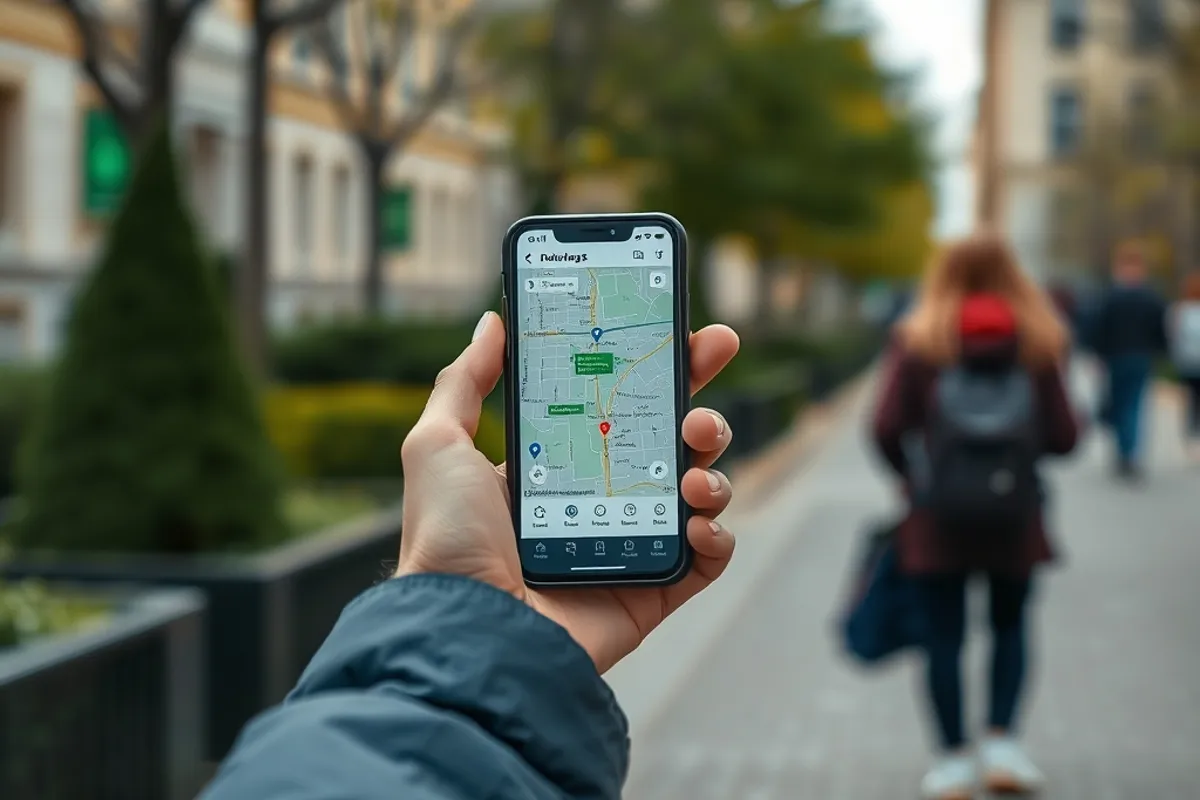
Hours should include holidays and special events. Photos should be recent and show the entrance, the interior and the work, because people use them to decide whether to visit. Add a short description with the service and the area, and keep the phone number and website identical to the ones on your own site.
Reviews are an operating system
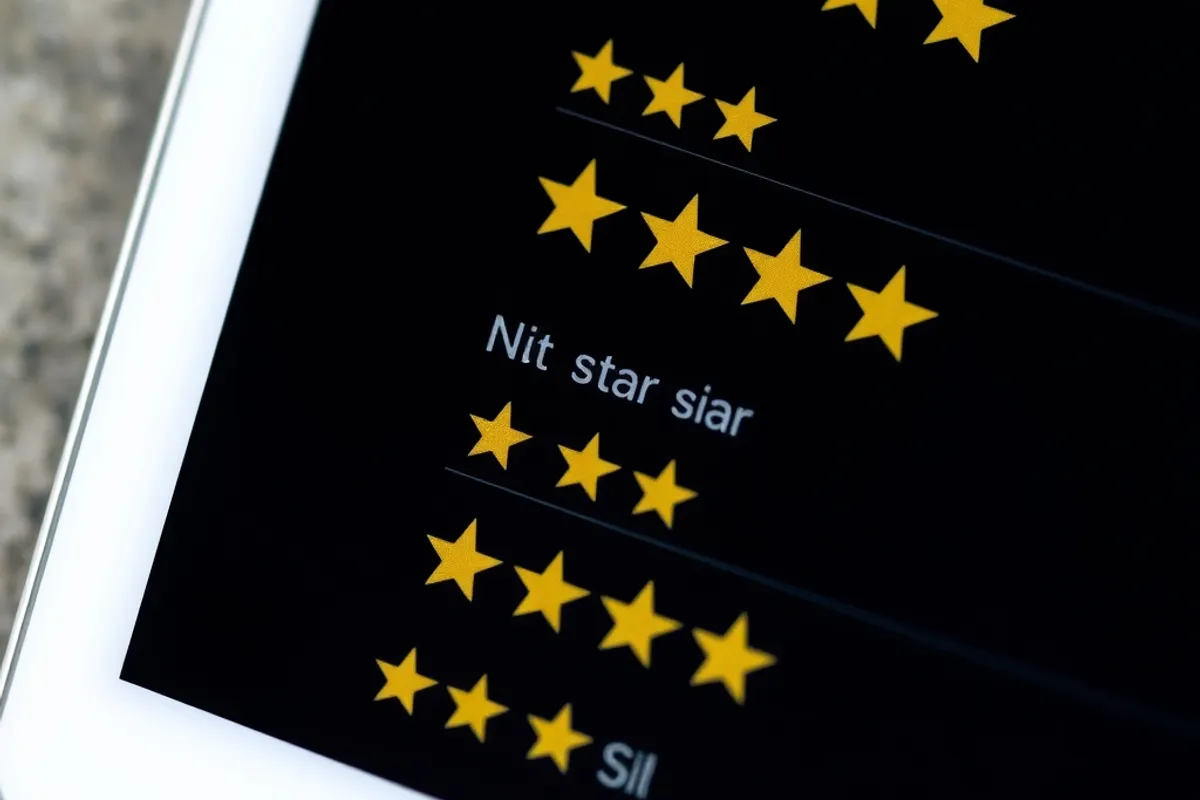
Reviews influence both ranking and conversion, and they compound. Ask at the right moment, after a good experience, with a simple link. Make it easy, do not incentivise fake reviews, and reply to every review that needs a reply. A calm, specific response to a bad review often does more for trust than another five-star rating.
Recency matters. A profile with two hundred old reviews and nothing this year looks less alive than one with sixty recent reviews. Build a routine: a request after each job, a monthly check, a thank-you. That is less work than a burst of panic every two years.
A review page is not a scoreboard. It is a record of how you treat people when something goes wrong.
Build pages that deserve to rank
A service page should explain the service, the area, the price range and the process. It should not be the same paragraph with the town name swapped. If you serve several areas, write about what is genuinely different, or consolidate into one strong page instead of ten thin ones.
Add location details people care about: parking, accessibility, delivery radius, response time. Link the page to the profile and the profile to the page. Use local business structured data that matches what is visible. If the details contradict each other, a search engine has to guess, and guessing is not a ranking strategy.

The checklist, in order
Work top to bottom. The first items unlock the rest, and none of them require an agency.
- Verify the profile and set the correct primary category.
- Correct name, address, phone and hours everywhere they appear.
- Add current photos of the entrance, interior and work.
- Set up a simple review request routine and reply to every review.
- Build or improve one service page per real service.
- Add local business structured data that matches the page.
- Check the mobile site loads fast and the call button works.
What to ignore
Ignore bulk citation packages that promise hundreds of directories nobody reads. Ignore keyword stuffing in the business name. Ignore fake addresses and virtual offices that break the rules. These shortcuts create cleanup work later, and the cleanup is harder than doing it properly the first time.
Measure calls, direction requests and website clicks from the profile, not just rankings. A map pack position is a means to an end. If the phone is not ringing, the position is not the problem you need to solve.

Written by Geneviea Slinger for Geneviea Slinger. Tips or corrections? Email [email protected].