Tech·Geneviea Slinger·
Cloud Costs in 2026: Where the Bill Really Comes From

The bill rarely doubles because the product grew. It doubles because someone left a snapshot, a log pipeline and a test environment running through the weekend.
Key facts
- Egress, storage tiers and log retention are the three lines that surprise finance most often.
- A non-production environment left on can cost as much as production in a small team.
- Most savings come from deleting and scheduling, not from renegotiating the contract.
- Tag every resource by owner and project before you attempt a serious cost review.
The bill is a symptom, not the problem
Cloud pricing is designed to be flexible, and flexibility has a cost. You can spin up a database in a minute, which means someone will spin up a database in a minute and forget it. By the time the invoice arrives, the team has moved on to another sprint and the resource has no owner.
The first useful step is not a discount negotiation. It is a list of everything you are paying for, who asked for it and whether it still serves a purpose. Most companies find between ten and thirty percent of spend in that list that nobody can defend.
The three lines that grow quietly
Egress is the classic. Moving data out of a cloud provider costs money, and a new analytics job, a video feature or a backup to another region can turn a flat bill into a rising one. Cache aggressively, keep traffic inside one region where it makes sense, and check the price before you design a data pipeline that crosses boundaries.
Storage tiers are the second. Objects that are read once a year sit in the hot tier because the default is convenient. Lifecycle rules are boring and they work. Move older logs and backups to colder storage automatically, and set a deletion date so the bucket does not become an accidental archive.
Log retention is the third. Observability is valuable, but keeping every request log for two years is rarely worth the bill. Decide what you need for debugging, what you need for compliance, and drop the rest. A shorter window with better dashboards often beats a giant log lake nobody queries.

Idle capacity and test environments
A staging environment that runs twenty-four hours a day for a team that works eight hours a day is a predictable waste. Schedule it. The same applies to development databases, CI runners and preview deployments. If the environment can be rebuilt from code, it can be destroyed on Friday and recreated on Monday.
The harder case is over-provisioned production. Teams size instances for the worst day of the year and pay for it every day. Autoscaling is not free to operate, but a smaller baseline with a tested scale-up policy is usually cheaper and more honest about capacity.
You cannot optimise a bill you cannot attribute. Tags first, savings second.
Build a cost habit, not a cost project
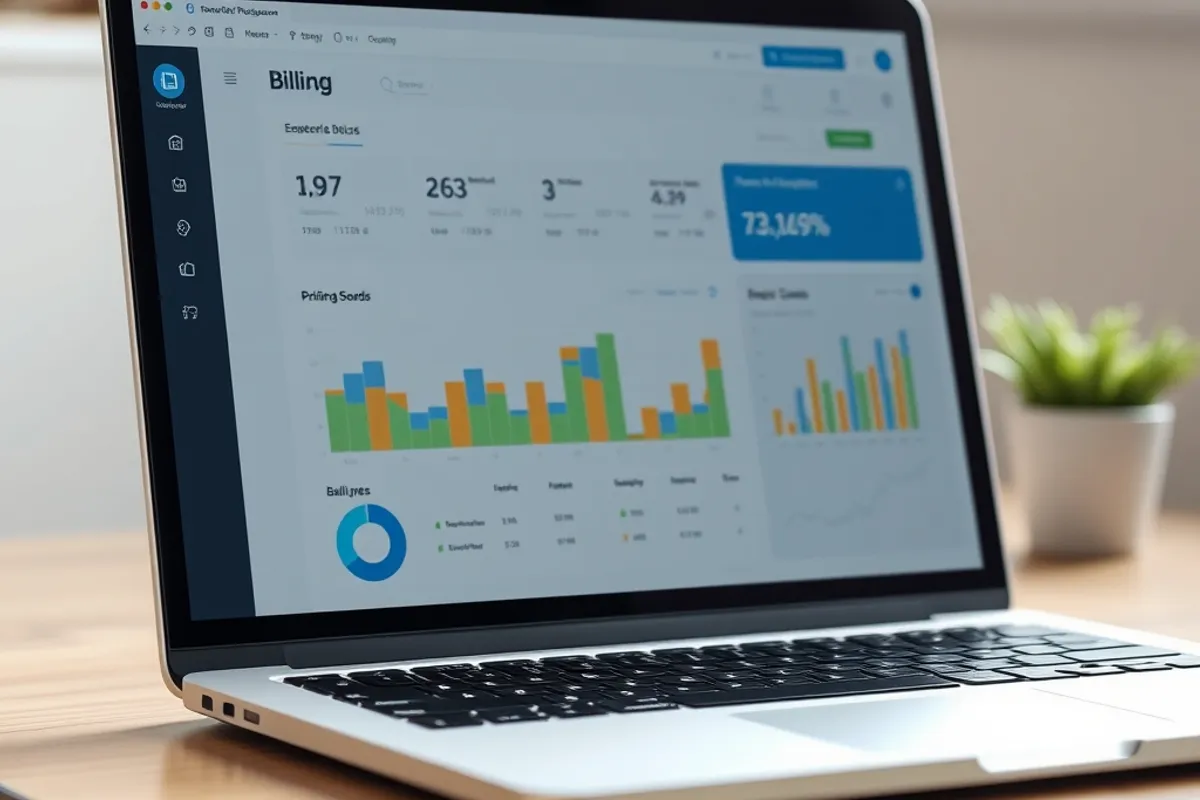
A one-off cost review produces a slide and a few deletions. A monthly habit produces a stable bill. Give every resource an owner, put the cost next to the service in the dashboard, and review the top ten line items in the same meeting where you review uptime.
- Require an owner and a project tag at creation time.
- Alert on week-over-week growth, not just a fixed budget.
- Review the top ten costs monthly with the engineering lead.
- Set lifecycle rules on every storage bucket by default.
- Schedule non-production environments to shut down outside working hours.
When a migration is the wrong answer
Vendors will suggest moving to a cheaper provider. Sometimes that is correct, especially for simple workloads with steady demand. Often it is a distraction that costs six months and returns less than deleting idle resources would have. Price the migration honestly, including engineering time, retraining and the risk of a cutover.
If you do move, move the boring parts first. Object storage and static assets are low risk. A stateful database with years of history is a different project. Do not let a cost problem push you into an architecture rewrite you were not ready for.
The short version
Find out what you are paying for, turn off what nobody uses, set rules so the waste does not come back, and review the bill like any other operational metric. That routine beats almost every exotic optimisation, and it does not require a new platform.
For teams building the product itself, the same principle applies to performance. A faster page and a smaller bill usually come from the same decision: do less work, and do it closer to the user.

Written by Geneviea Slinger for Geneviea Slinger. Tips or corrections? Email [email protected].