
Why Try AI Reverse Image Search When a Profile Seems Unfamiliar
Social media makes it easy to meet new people, discover communities, and maintain relationships online. However, not every profile provides enough information to understand who is behind it. A profile may use a nickname, limited biography, or unfamiliar username, leaving you with questions about whether the account belongs to the person you think it does.
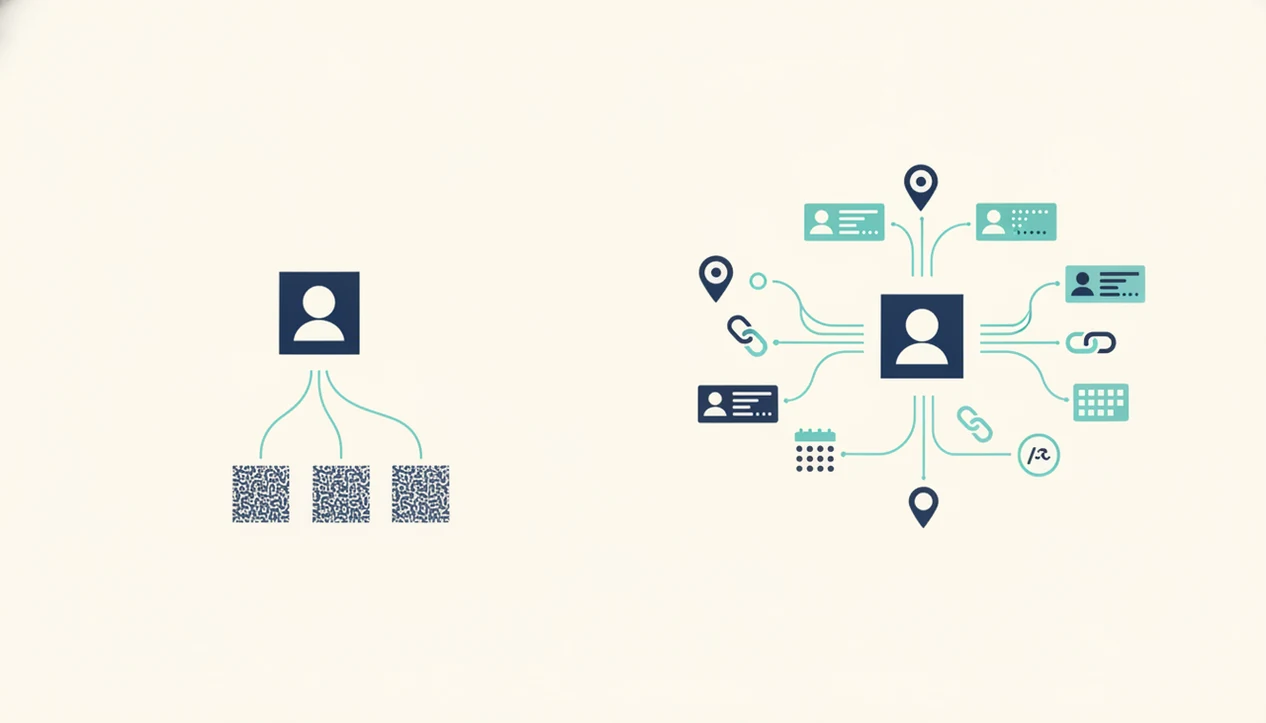
A profile photograph can provide another useful clue. If an image seems familiar but the account itself is unfamiliar, image-based discovery can help you explore potential connections. AI reverse image search allows users to start with a photograph and investigate potentially related images or social profiles instead of relying only on names and usernames.
Face2social can support this type of visual discovery by helping users explore potential social media profiles through profile photographs. It can be useful when a profile picture looks familiar, when you want to investigate a potential social connection, or when you simply want more context about an online identity. However, visual search results should always be considered possible leads rather than definitive proof of identity.
When a Social Profile Raises Questions
Not every unfamiliar profile is suspicious. People have different reasons for keeping their social media information limited.
Some users prefer nicknames, while others maintain separate accounts for personal and professional activities.
A profile may also be relatively new or inactive, which can make it difficult to determine who is behind it.
If the photograph looks familiar, however, you may have a useful starting point for further exploration.
Why a Profile Picture Can Be a Valuable Clue
Names can be difficult to use for identification because many people share the same name.
Usernames are also not always reliable. They can be changed, shortened, or selected without any connection to a person’s actual name.
A photograph provides a visual clue instead.
If you recognize a person’s face but cannot remember their username, the image itself may help you explore possible profiles.
This is particularly useful when you have a clear copy of the profile picture.
Moving Beyond Traditional Search Methods
Traditional searches require text-based information.
You might search for a person’s name, location, occupation, or username. These approaches can work well when the information is accurate and distinctive.
But when you have only an image, text searches may not be practical.
AI reverse image search offers another approach by allowing the photograph to become the starting point.
Instead of trying to guess what someone calls themselves online, you can investigate the visual information contained in the photograph.
How AI Can Support Image Discovery
AI-powered image technology can analyze visual characteristics and help identify potentially related images.
This can make image-based discovery more efficient in situations where traditional searches provide limited results.
When a profile seems unfamiliar, an image can provide a useful clue for exploring whether the same or a related photograph appears elsewhere online.
The goal is not to automatically identify a person but to provide additional information that can help you evaluate a potential connection.
How Face2social Can Help
Face2social provides an image-focused way to explore potential social media profiles through profile photographs.
If you have a profile picture that seems familiar, you can use it as a starting point for discovering possible social profiles.
After finding a potential result, you can compare the photograph and examine other publicly available information.
This can help you decide whether the profile deserves further attention.
Face2social should be considered a discovery tool rather than a guaranteed identity verification system.
Use a Clear Image
The quality of the photograph can influence the usefulness of visual discovery.
A clear image with the person’s face visible generally provides more useful information than a blurry or heavily edited picture.
Photographs with sunglasses, masks, strong filters, poor lighting, or extreme angles may make visual comparison more difficult.
If you have several images, start with the clearest one.
Remember that people may use different profile pictures on different platforms, so an exact duplicate should not always be expected.
Compare Multiple Photographs
A single visual similarity should never be treated as conclusive evidence.
People can look similar to one another, while the same person can look very different depending on lighting, hairstyle, facial hair, age, clothing, and camera angle.
If a potential profile contains several public photographs, compare them together.
Look for overall consistency instead of focusing on one facial feature or one image.
Look Beyond the Photograph
Once you discover a potential profile, review the information that is publicly available.
This may include a biography, interests, professional activities, or the types of conversations the account participates in.
You should not expect every detail to match information found elsewhere.
Different platforms often encourage different styles of self-presentation.
Instead, consider whether the account as a whole appears consistent with what you already know.
Why This Can Matter in Online Dating
Online dating often depends heavily on profile photographs.
A person may provide several attractive pictures but only limited personal information.
If you are considering developing a relationship with someone you met online, you may want to gather additional context before becoming too trusting.
AI reverse image search can provide a starting point for exploring whether a familiar dating photograph may also appear on other public profiles.
Face2social can support this type of research through image-based profile discovery.
However, an image search should be considered one source of information rather than a complete background check.
Spotting Reused Images
One reason an unfamiliar profile may deserve closer attention is when its photograph appears in unexpected places.
For example, you might discover the same photograph associated with different names.
This could be a warning sign, but it does not automatically prove deception.
People often reuse their own photographs across multiple platforms.
Images can also be copied or reposted by other users.
Therefore, investigate the context before reaching any conclusion.
Consider the Date of a Photograph
Images can become outdated.
Someone may continue using a profile photograph that is several years old, or another account may have uploaded an old image.
Changes in appearance are normal.
When comparing photographs, consider the possible age of each image.
Differences in hairstyle, facial hair, clothing, lighting, and age should be taken into account before deciding whether two profiles are connected.
Check for Consistent Information
Public profile information can provide useful context.
Suppose someone says they work in a particular field or have certain interests. A potential social profile may contain publicly visible information that supports those claims.
However, small differences should not immediately be considered suspicious.
People change jobs, move, develop new interests, and update their biographies.
Look for meaningful patterns rather than isolated differences.
Pay Attention to Communication
Technology can provide useful clues, but human behavior remains important.
If you are communicating with someone behind an unfamiliar profile, observe how consistently they interact.
Be cautious if they avoid reasonable video calls, repeatedly change their story, pressure you to trust them quickly, or ask for money.
Requests for passwords, financial information, identification documents, or private photographs should also be treated carefully.
These behaviors may be more meaningful than a single image-search result.
Give the Person a Chance to Explain
If you discover a possible profile and something does not make sense, you can ask the person about it.
They may have an older account, a different username, or multiple profiles.
They may also use different photographs on different platforms.
A direct conversation can provide context that image technology cannot determine.
Avoid accusing someone solely because a photograph looks similar.
Protect Your Personal Information
While investigating an unfamiliar profile, do not forget about your own privacy.
Avoid sharing passwords, financial information, identification documents, home addresses, or other sensitive details with people you do not know well.
Private photographs should also be shared carefully.
Building trust slowly gives you more time to understand an online connection before revealing sensitive information.
Respect Privacy and Boundaries
Image-based profile discovery should be used responsibly.
If you find a potential account, avoid publicly posting personal information about the person or attempting to expose them.
A possible image match does not establish that someone is dishonest.
Use publicly available information to make your own decisions while respecting other people’s privacy.
Understand the Limitations
AI reverse image search can be useful, but it is not perfect.
Photographs can be cropped, edited, compressed, reused, or uploaded years after they were taken.
Some images may also produce incomplete or irrelevant results.
Not finding a profile does not prove that the person has no account.
Similarly, finding a similar photograph does not guarantee that the associated account belongs to the person you have in mind.
Combine Different Clues
A responsible approach combines visual results with other information.
Start with the profile photograph, compare multiple images, review public profile details, and consider how consistently the person communicates.
When several independent clues point toward the same conclusion, you may have stronger context.
If uncertainty remains, it is better to slow down than to make assumptions.
Final Thoughts
An unfamiliar social media profile does not automatically mean something is wrong, but a familiar photograph can provide a useful reason to explore further. When names and usernames are unavailable or unreliable, image-based discovery offers another practical starting point.
AI reverse image search can help users investigate familiar profile photographs and explore potential online connections. Face2social can support this process by helping users discover possible social media profiles through profile images.
Still, visual matches should never be treated as definitive identity verification. Images can be outdated, reused, edited, or connected with unrelated accounts.
By comparing several photographs, reviewing public information, considering communication behavior, protecting your own privacy, and respecting other people’s boundaries, you can make better-informed decisions when a profile seems unfamiliar. Face2social can be one useful part of that broader process.


